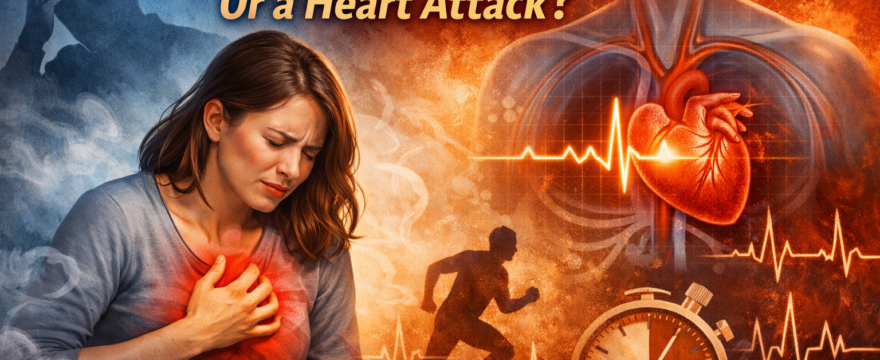
 A sudden tightness or sharp pain in the chest is a terrifying feeling. For most people, the mind immediately jumps to the worst-case scenario: that it may be a heart attack, Allways it’s not true. However, if you are dealing with chronic stress or panic, that alarming discomfort might be your body’s physical reaction to anxiety.Let’s get the reason of anxiety cause chest pain.
Anxiety is not just in your head but it is a full-body experience. Let’s break down exactly why anxiety makes your chest hurt and how to tell the difference between a panic attack and a cardiac event, and what you can do to find relief right now
Why Does Anxiety Cause Chest Pain?
To understand the main cause, we have to look at how human biology handles stress. When you feel anxious or panicked, your brain triggers the “Fight or Flight” response. Your body prepares to physically fight off a threat or run away from it, even if that threat is just a stressful email or a worry about the future.
Here is what happens physically to cause that chest pain:
- Muscle Tension: Your body reflexively tightens your muscles to protect you from a sudden injury. When the muscles in your chest wall tense up and stay tense, it creates an aching, squeezing, or sharp pain in the chest.
- Rapid Heart Rate (Tachycardia): Adrenaline floods your system, causing your heart to beat much faster and harder than usual. This sudden pounding can feel like chest pain.
- Hyperventilation: Anxiety often causes rapid, shallow breathing. It alters the balance of oxygen and carbon dioxide in your blood, which can cause blood vessels to constrict and create a tight, painful sensation.
- Gastrointestinal Issues: Stress may cause direct impact on your stomach. Anxiety can trigger acid reflux or heartburn, which is often felt directly behind the breastbone.
Symptoms of Anxiety Cause Chest Pain
Anxiety chest pain does not feel the same for everyone. Depending on how your body processes stress, you might experience:
- A sharp, shooting, or stabbing pain that comes on suddenly.
- Persistent and dull ache across the chest wall.
- Tightness in the chest, as if a heavy band is wrapped around your ribs.
- Burning sensation or numbness.
- Twitching or spasming feeling in the chest muscles.
Anxiety Chest Pain vs. Heart Attack: How to Tell the Difference
Because the symptoms overlap so closely, the “anxiety trap” often occurs: you feel chest pain and you panic that it is a heart attack, the panic releases more adrenaline, and the chest pain gets worse.
While you should always let a doctor make the final diagnosis, here is a quick guide to help you understand the typical differences:
Anxiety & Panic Attacks
Type of Pain: Often sharp, stabbing, or a localized ache.
Location: Usually localized to one specific spot on the chest.
Duration: Usually peaks within 10 minutes and slowly fades.
Triggers: It can happen at rest, during high stress, or out of nowhere.
Physical Touch: Pressing on the chest wall might make the pain worse.
Heart Attacks
Type of Pain: Often feels like intense, crushing pressure or squeezing.
Location: Often radiates outward to the jaw, neck, shoulders, or left arm.
Duration: Pain is relentless, persistent, and typically worsens over time.
Triggers: Frequently triggered by physical exertion (like climbing stairs)..
Physical Touch: Pressing on the chest wall does not change the internal pain.
Immediate Relief: How to Stop Anxiety Chest Pain
If your doctor has ruled out heart issues and you know you are dealing with anxiety, you can take immediate steps to calm your nervous system and ease the pain.
- Try the 4-7-8 Breathing Method: Inhale deeply through your nose for 4 seconds, hold your breath for 7 seconds, and then, exhale slowly through your mouth for 8 seconds. This action forces your heart rate to slow down.
- Use the 5-4-3-2-1 Grounding Technique: To stop your brain from spiraling, look around the room and name 5 things you can see, 4 things you can physically feel, 3 things you can hear, 2 things you can smell, and 1 thing you can taste.
- Change Your Temperature: Splash ice-cold water on face or hold an ice cube. The sudden temperature shock distracts your brain and forces it to “reset” the nervous system.
- Stretch Your Chest: Stand in a doorway, place your forearms on the doorframe, and gently lean forward. This stretches out the tight chest muscles that are causing physical ache.
Long-Term Prevention Strategies
To stop anxiety cause chest pain from coming back, you need to manage the root cause of the stress. Consider reducing your daily caffeine intake, as caffeine recreates the physical symptoms of anxiety. Regular cardiovascular exercise is also incredibly effective at burning off excess adrenaline and cortisol. Finally, speaking with a therapist about Cognitive Behavioral Therapy (CBT) can help you rewire the way your brain responds to the stressful triggers.
By understanding that anxiety is a physical experience just as much as a mental one, you can break the cycle of fear, calm your body, and finally breathe easily.
Medical Disclaimer: This article is strictly for educational purposes and does not replace professional medical advice. Chest pain should never be ignored. If you experience sudden and severe chest pain with radiating down your arm or jaw, or difficulty breathing, please seek emergency medical attention immediately.
Leave a Reply