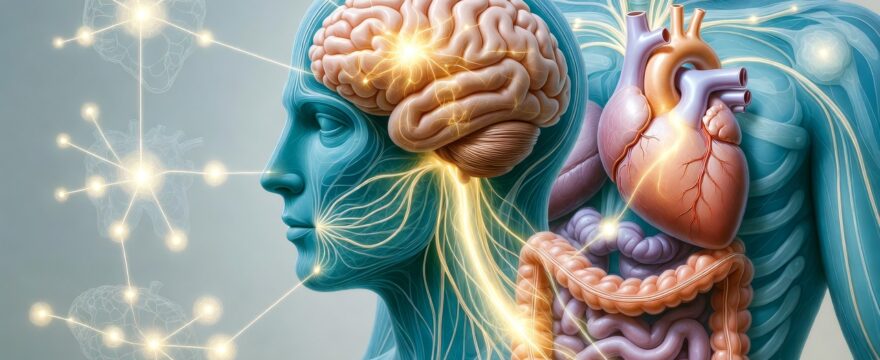
When people hear about the word depression, they often think of sadness, tears, or emotional withdrawal. But depression is not only a disorder of mood, but it is a whole-body condition that can quietly affect the whole-body function and coordination how you move, sleep, eat, and even feel pain. Through these our body shows the physical symptoms of depression.
For many individuals, the physical symptoms of depression appear before emotional ones, leading them to visit doctors repeatedly for headaches, stomach issues, or fatigue—without realizing that mental health is at the root of all the problems. Recognizing these signs early can make a critical difference in recovery.
Know how depression manifests physically, why these symptoms occur, and why treating the body is often essential to healing the mind.
The physical symptoms of depression:
The Brain–Body Connection: Why Depression Feels Physical
Depression alters communication between the brain and body. Modern research increasingly shows that mental health and physical health are deeply connected.
Neurotransmitter Imbalance
Chemicals like serotonin and norepinephrine regulate mood, motivation, and focus—but they also help control how the body processes pain. When their levels drop, the brain becomes less effective at dampening pain signals, making ordinary discomfort feel intense or chronic.
Chronic Inflammation
Studies suggest depression is linked to long-term, low-grade inflammation. An overactive immune response can cause persistent fatigue, muscle soreness, and a general feeling of being unwell.
The Gut–Brain Axis
The digestive system produces a large portion of the body’s serotonin. When mental health declines, gut function often suffers—leading to nausea, cramps, and appetite changes.
Common Physical Symptoms of Depression
If physical changes occur alongside mood shifts, they should never be ignored.
- Chronic Pain and Unexplained Aches

Many people with depression report pain with no clear physical cause.
- Headaches: Ongoing tension headaches or pressure around the head
- Back and Joint Pain: Worsening of existing pain or new stiffness
- Widespread Body Aches: A flu-like soreness without infection
Research indicates people with depression are significantly more likely to experience chronic pain than those without it.
- Psychomotor Retardation: When the Body Slows Down
A defining physical symptom of major depressive disorder is psychomotor slowing down—the sensation that both mind and body are moving in a slow motion.
- Slowed speech and delayed body responses.
- Heavy, leaden limbs that feel difficult to move.
- Reduced coordination and clarity of mind.
Everyday tasks like reading, cooking, driving or typing may suddenly feel exhausting.
- Digestive Problems and the “Nervous Stomach” :
Because of the gut–brain connection, digestive symptoms are extremely common among the symptoms of depression.
- Persistent nausea or queasiness.
- Bloating, cramps, or irregular bowel movements.
- Appetite loss or emotional heavy eating, leading to weight changes
Conditions like; Irritable Bowel Syndrome (IBS) often worsen during these depressive episodes.
- Sleep Disturbances

Sleep problems are both a cause and a consequence of depression.
- Insomnia: Difficulty falling asleep or waking too early and being unable to return to sleep as normal.
- Hypersomnia: It means Sleeping excessively yet feeling unrefreshed.
Disrupted sleep worsens our mood, concentration, and physical stamina—it creates a vicious cycle.
- Persistent Fatigue and Low Energy
Depression related fatigue is not an ordinary tiredness. It doesn’t improve with rest, caffeine, or motivation.
Even simple activities like—taking shower, getting dressed or replying to messages—can feel overwhelming, as if the body’s energy supply has been drained.
Lesser-Known Physical Signs of Depression
Some physical symptoms are subtle and often overlooked:
- Psychomotor agitation: Restlessness, pacing, handwringing, or inability to sit still in a place for certain time.
- Libido changes: Reduced sexual desire or sexual performance difficulties
- Lowered immunity: Getting sick more, due to prolonged stress on the immune system
When to Seek Help

Many people treat these symptoms individually like —painkillers for headaches, antacids for stomach issues—without addressing the main underlying cause. If multiple physical symptoms persist alongside emotional changes, it’s important to consult a healthcare professional if anyone is suffering from these health issues.
Effective treatment often includes a whole-body approach:
- Medical support to regulate Brain Chemistry.
- Psychotherapy (such as CBT) to manage stress and thought the patterns.
- Some lifestyle adjustments like gentle exercise, sleep regulation, and anti-inflammatory nutritions.
Conclusion
Depression is not “all in your head.” It affects muscles, nerves, digestion, sleep, and energy levels. By recognizing the physical symptoms of depression, we can move closer to early diagnosis and effective treatment understanding.

Listening to your body is not weakness—it may be the first and most important step toward healing.
[…] that anxiety is a physical experience just as much as a mental one, you can break the cycle of fear, calm your body, and finally breathe […]